
On November 6, 2026, GitLab Foundation and Generation, two co-founders of The Durability Collective, hosted a LinkedIn Live conversation on a simple question: how do you know the change lasts for the participants in the programs you run or fund? The session, titled “How do I know if my social impact work is making a difference?”, explored practical, cost-effective ways to measure durable outcomes such as employment, higher income and improved well-being.
Ellie Bertani, President & CEO of GitLab Foundation, was joined by Mona Mourshed, Global CEO of Generation, and Priyanka Yalamanchili, Impact Evaluation & Advocacy Lead at Generation. Together they shared real-life examples and lessons on what works, and what doesn’t, when tracking change over time.
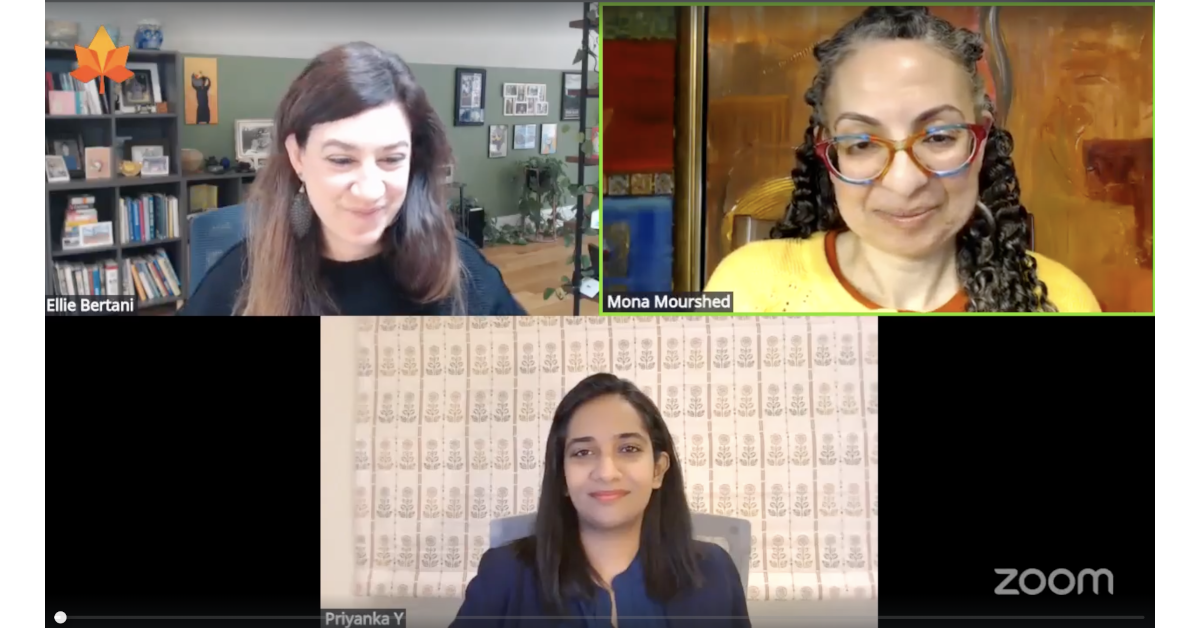
For those who missed the discussion, you can watch the full conversation here.
Letting Questions Shape Data Collection
Too many organizations collect data first and decide what to say later. Mourshed argued for flipping that order. A durability lens looks beyond the individual to their household, community and the wider system, and beyond the first year to years three, four and five. At Generation, that means asking not only whether a graduate found a job, but whether it matches their training, what income it brings, and whether they stay, get promoted and earn above a living wage. “These core questions must continue over time,” Mourshed explained, “and the answer may not always be what we hope it will be.”
Yalamanchili noted that planning questions in advance also brings surprises. Generation expected similar outcomes for graduates with different education levels. Instead, it found its program was acting as “an on-ramp,” with graduates going on to further education.
Right-Sizing Your Evidence
Yalamanchili emphasized that randomized controlled trials, the gold standard for proving causation, are costly and not always feasible or ethical. The question that matters is whether participants did better than they would have without the program, and there are right-sized ways to answer it: compare against people who narrowly missed selection, against similar participants from other programs, or against public data. Generation used a near-miss comparison in Ghana while it was small and new, and a quasi-experimental study in India as it prepared to scale. “We don’t have to start with an RCT or even with the most rigorous method,” she said. Bertani added, from the funder’s side, that funders do not need perfect evidence, only “just enough to make a good decision.”
Turning Durability Data into Program Decisions
Durability data is most valuable when it changes the program, Mourshed remarked. Generation dropped professions that were not delivering living wages two or three years out. It also found that 72 to 76 percent of graduates remain employed in years two through five, so it is now building support for those who fall off track between years one and two. Tracking outcomes two to five years out costs about one percent of the total cost per learner. Measured against a comparison group, Generation’s income gains deliver a three to seven times return over five years, and for anyone seeking impact at scale, Mourshed noted, “the ROI is unavoidable.”
Starting Where You Are
Organization age matters less than getting started, Yalamanchili explained. Maturity builds along three lines: what you measure, for whom, and how good your data is. Generation’s alumni survey response rate rose from 10 to 20 percent five years ago to more than 50 percent today. The non-negotiable is trust, since people respond to organizations they know and trust, so strong relationships with participants come first. Bertani added that this is as much a mindset as a method, and one that younger, smaller organizations can build early and cheaply. “Nobody has to do everything at once,” Yalamanchili said.
The Durability Collective: A Movement for Change
The Durability Collective is a community of funders, practitioners, and researchers building our collective capability to measure social impact and create change that lasts. It believes that medium- and long-term outcome measurement can be feasible and cost-effective, even for younger and smaller organizations.
